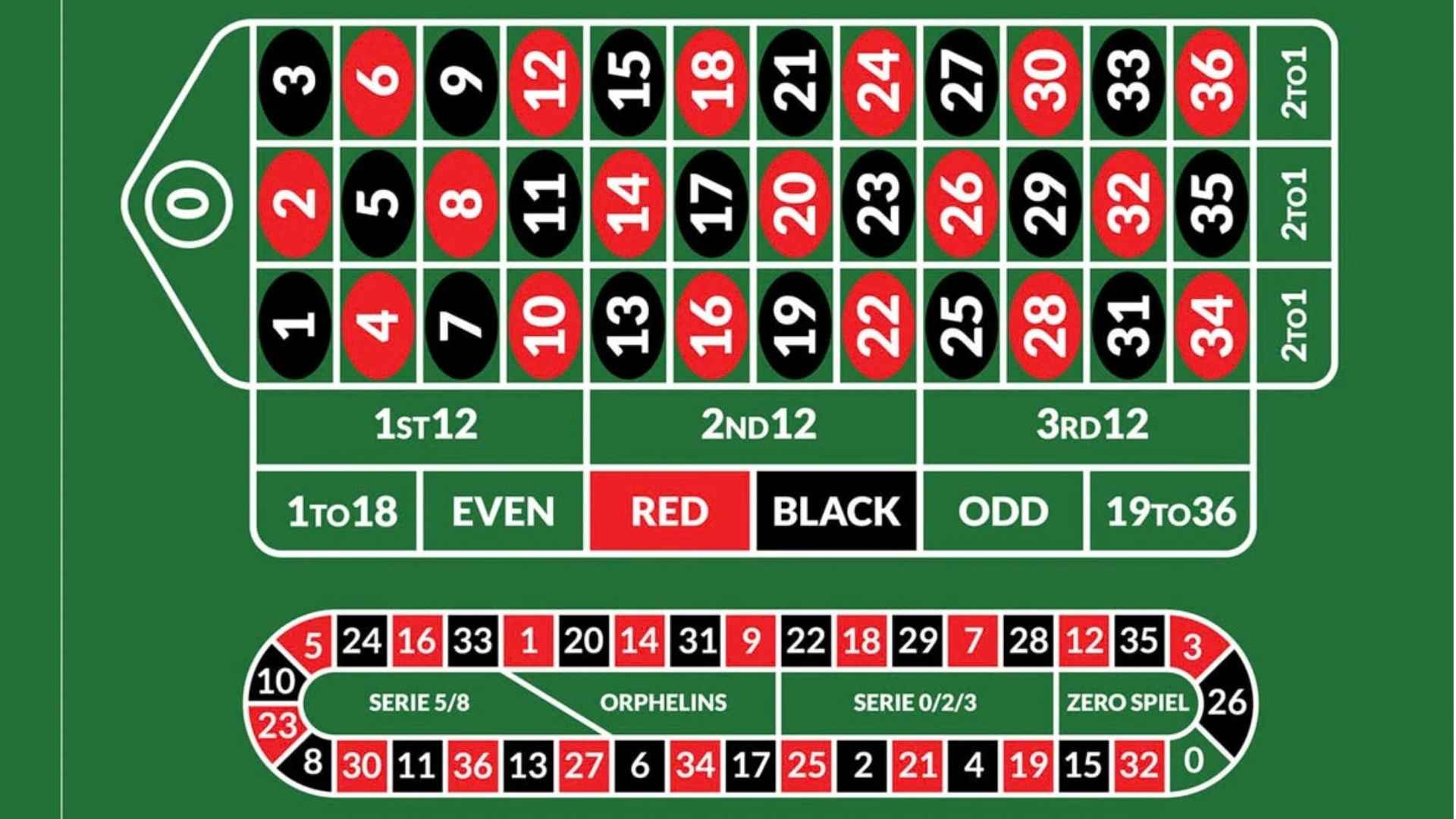
Basic chance-based games have entertained people for centuries due to their accessibility and instant outcomes. However, the true potential of these simple formats is unlocked when players and creators introduce elements of personalization. By shifting from a rigid setup to an adaptable framework, a straightforward activity evolves into a deeply engaging experience that caters to diverse audiences.
The Shift from Passivity to Active Ownership
Standard randomizers often leave players feeling like passive observers of a pre-determined mathematical system. When custom options are introduced, participants immediately gain a sense of agency over how they interact with the platform. This transformation changes the emotional stakes, turning a routine interaction into a personalized event.
Allowing users to modify parameters ensures that the software remains relevant to their specific situational needs. Whether adjusting specific reward ratios or modifying the structural theme, the user feels a distinct sense of ownership. This psychological shift is fundamental in converting a brief distraction into a memorable digital activity.
Elevating Gameplay Engagement Through Sensory Personalization
Visual and auditory adjustments serve as the primary bridge between raw mechanics and user immersion. Simple modifications to color palettes, font styles, and background audio can completely reshape how a player perceives a simple spin or draw. A sleek aesthetic appeals to professional environments, while vibrant colors enhance festive social gatherings.
Advanced platforms utilize real-time customization to maintain user interest over prolonged gaming sessions. For instance, players seeking alternative pathways often look for a reliable m88 login alternatif to explore tailored interfaces that align with their stylistic preferences. These bespoke design choices guarantee that the core mechanic never feels repetitive or outdated.
Practical Applications in Diverse Digital Environments
Customization transforms basic chance mechanics into highly effective utilities across multiple sectors beyond casual entertainment. In educational settings, teachers populate randomized wheels with specific lesson vocabulary or quiz topics to gamify classroom learning. This approach successfully captures student focus and improves information retention through playful mechanics.
Corporate teams use modified randomizers to streamline remote brainstorming sessions and allocate team tasks fairly. Removing the rigid structure allows organizations to inject a lighthearted atmosphere into routine operational procedures. The tool evolves from a basic playground concept into a versatile asset for daily productivity.
The Value of Flexible Reward Architectures
A major limitation of fixed random games is their inability to adjust to different risk tolerances. Integrating adjustable reward architectures allows users to choose between high-volatility setups and safer distributed outcomes. This flexibility accommodates casual participants alongside those who prefer high-stakes anticipation.
By giving users the freedom to balance the odds, developers build a more transparent and trustworthy environment. Players appreciate the capacity to align the gameplay loop with their immediate personal goals. Ultimately, customization elevates basic systems into dynamic platforms capable of providing sustained long-term entertainment.