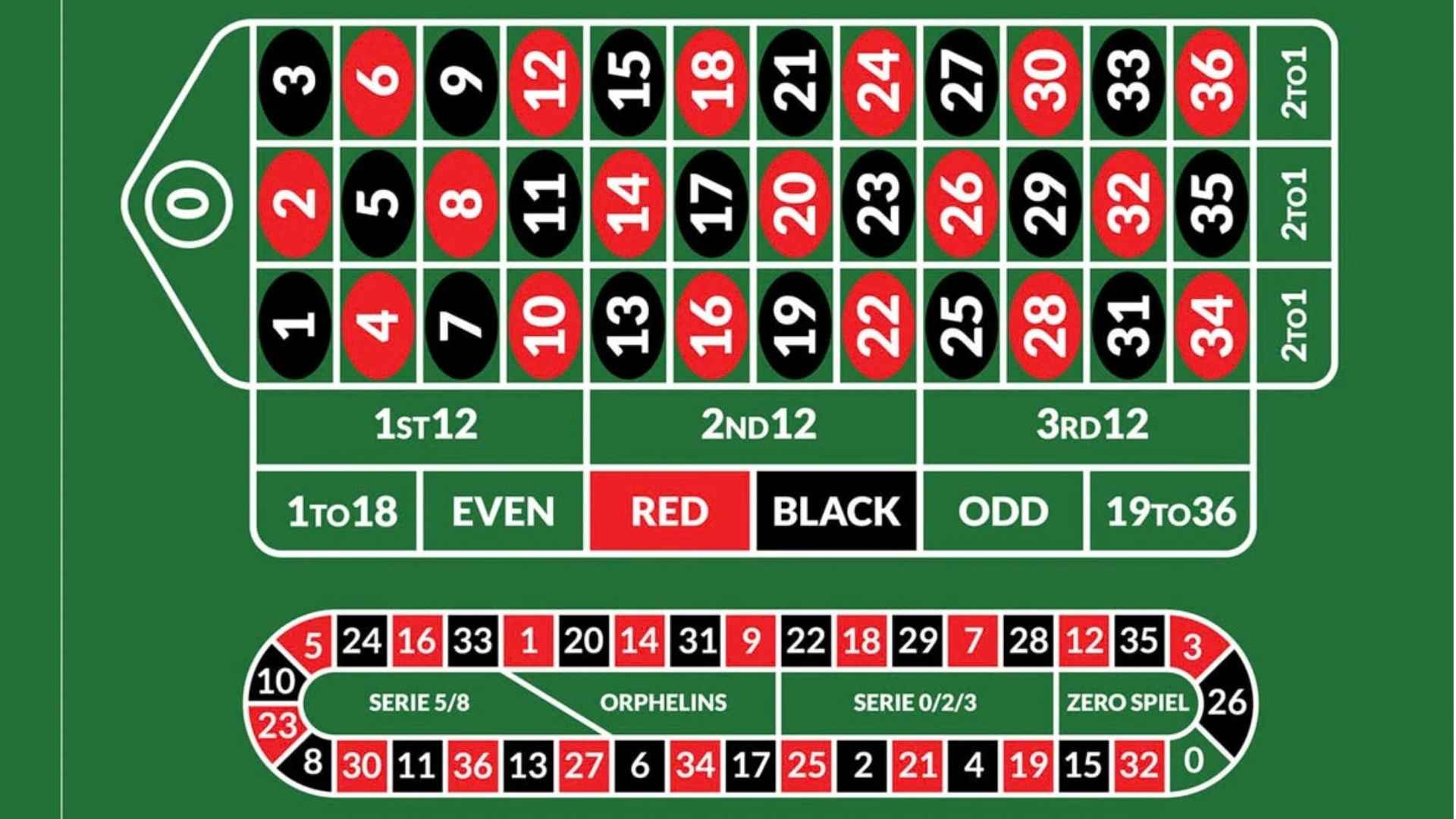
The continuous evolution of digital ecosystems requires highly advanced algorithmic tools to maintain complete fairness, security, and operational reliability across diverse computational networks. As next-generation web applications expand globally, Random Number Generator technology remains the invisible infrastructure driving trust and system innovation. Understanding the future trajectory of these mathematical mechanisms is essential for software developers designing the complex platform architectures of tomorrow.
The Evolution of Computational Unpredictability
Traditional computing frameworks have long relied on basic pseudo-random mathematical equations to simulate chance within localized software systems. However, the rapid expansion of multi-cloud ecosystems and decentralized applications demands highly sophisticated entropy sources to handle modern data volumes. Modern software architects are shifting toward advanced hardware-based randomness and hybrid structures to eliminate pattern repetition entirely.
These crucial architectural upgrades ensure that cloud-based database environments remain completely secure against sophisticated cyber vulnerabilities. By integrating superior computational algorithms, next-generation networks can safely execute millions of independent operations simultaneously without losing speed. Consequently, maintaining absolute cryptographic integrity has transitioned from a basic tech requirement into a core strategic necessity for enterprise platforms.
Driving Fairness in Distributed Digital Networks
Establishing public trust across international interactive platforms requires strict, verifiable compliance with global software engineering standards. Independent auditing laboratories frequently execute intensive algorithmic simulations over millions of cycles to guarantee that digital outcomes remain completely unbiased. For instance, consumers looking for secure entertainment choices often look toward verified systems like M88 indonesia to access transparent, well-regulated environments. This dedicated verification process builds deep consumer confidence and enhances overall market credibility.
As interactive systems grow increasingly complex, maintaining open data transparency has become a major differentiator for global digital operators. Platforms that explicitly demonstrate how their underlying algorithms distribute virtual results are experiencing much higher user retention rates over time. Eliminating the potential for computational bias or external manipulation remains the primary metric for validating modern software performance.
Next-Generation Platforms and Intelligent Integration
Emerging digital architectures such as generative artificial intelligence and edge computing are rapidly pushing the operational boundaries of algorithmic randomness. These highly advanced systems require seamless, low-latency generation of numerical values to execute complex real-time predictions accurately. Software engineers must carefully balance intense cryptographic security parameters against the hardware performance constraints of mobile consumer devices.
The successful deployment of intelligent agents within large enterprise platforms depends heavily on the quality of their underlying mathematical frameworks. If the random sequences driving these systems become predictable, the entire platform structure becomes vulnerable to algorithmic exploits. Therefore, creating robust, secure simulation models has become a vital priority for engineers developing next-generation intelligent applications.
Preparing for Quantum Security Standards
The upcoming integration of post-quantum cryptography will completely revolutionize how future database platforms manage highly delicate corporate information. Security experts predict that quantum-driven randomness will completely replace classical deterministic protocols across all critical cloud infrastructures over the next decade. Preparing for this monumental shift requires strategic foresight, structural adaptability, and immediate codebase investments from technology leaders worldwide.
As cloud architectures grow more interconnected, standard security measures will no longer suffice to protect private user data from unauthorized access. Incorporating quantum-resistant mathematical algorithms early in the development lifecycle will shield businesses from sudden technological disruptions. Ultimately, the ongoing evolution of these hidden computational engines will remain the definitive factor guiding digital platform innovation.